
Puppet Master: The Game (2022-2026)
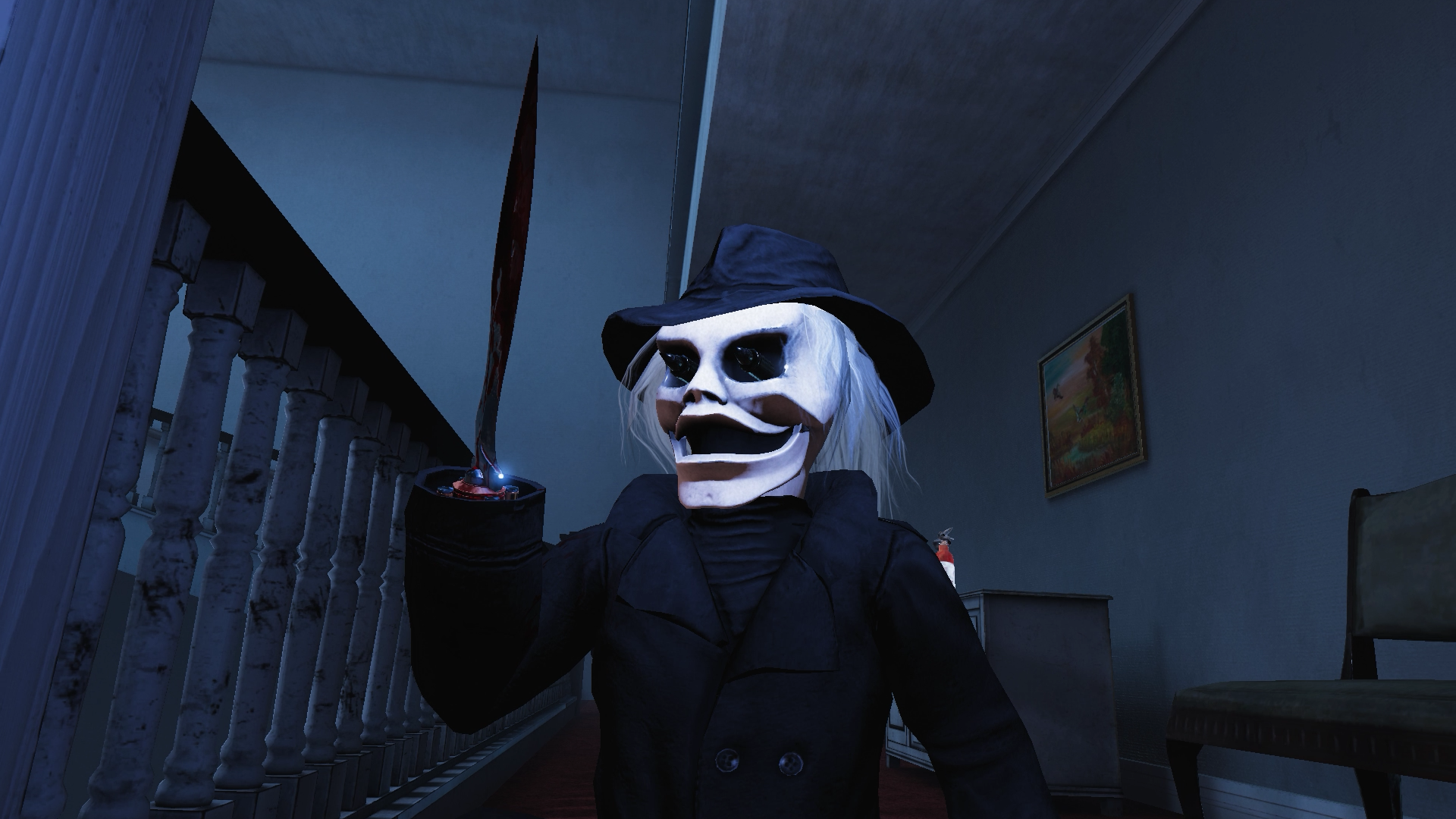
Lead Game Designer, Project Manager, Lead 3D Artist
Steam (Early Access 2023 → Full Release 2024)
Very Positive Rating
PC, Asymmetrical Multiplayer PvP / Coop 2–8 Players
Puppet Master: The Game is an officially licensed asymmetrical multiplayer horror game based on Full Moon Features’ Puppet Master film franchise. The goal was to capture the tension, personality, and scale contrast of the films and translate them into competitive PvP gameplay that feels readable, tense, and fun over long play sessions.
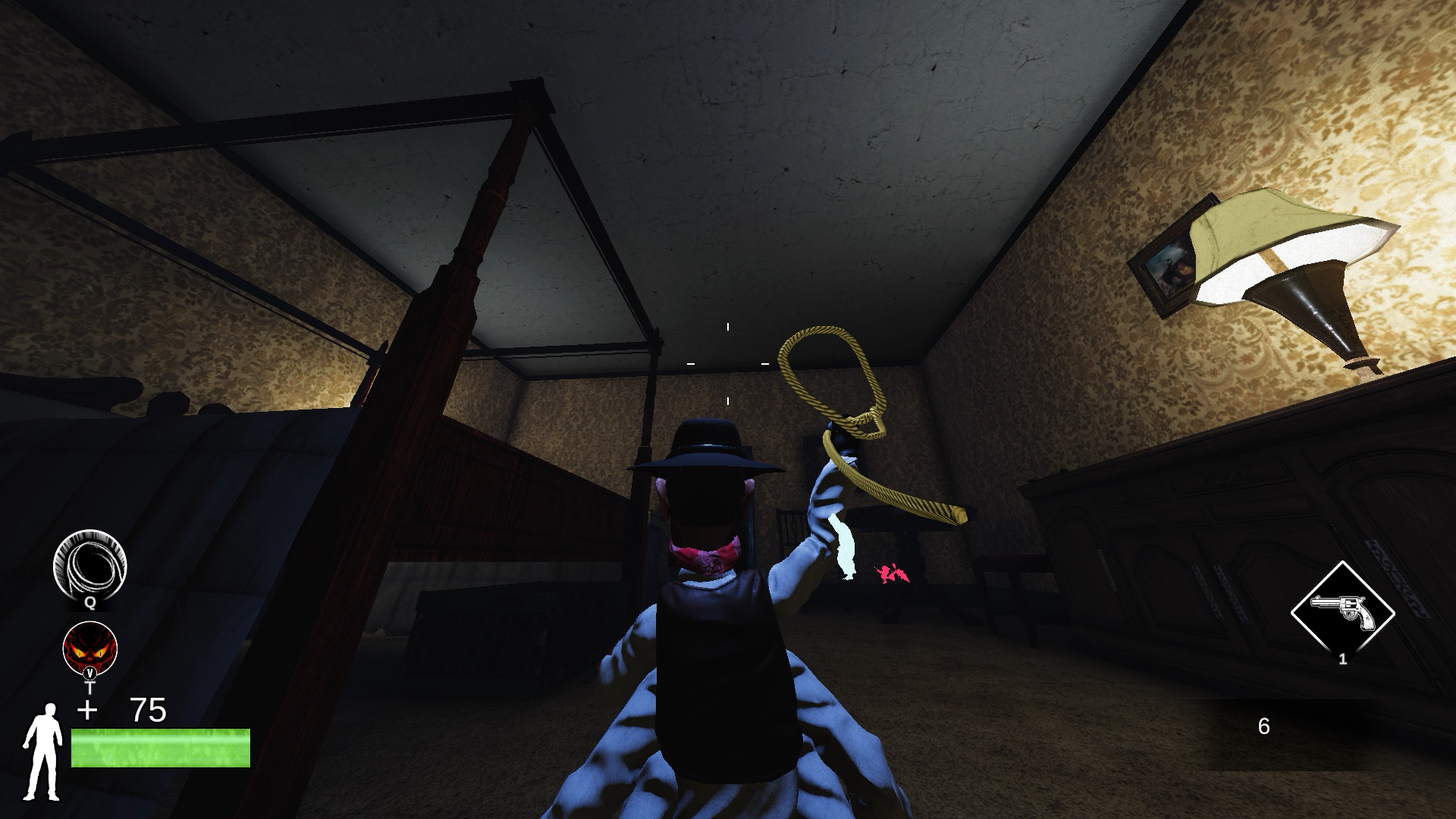
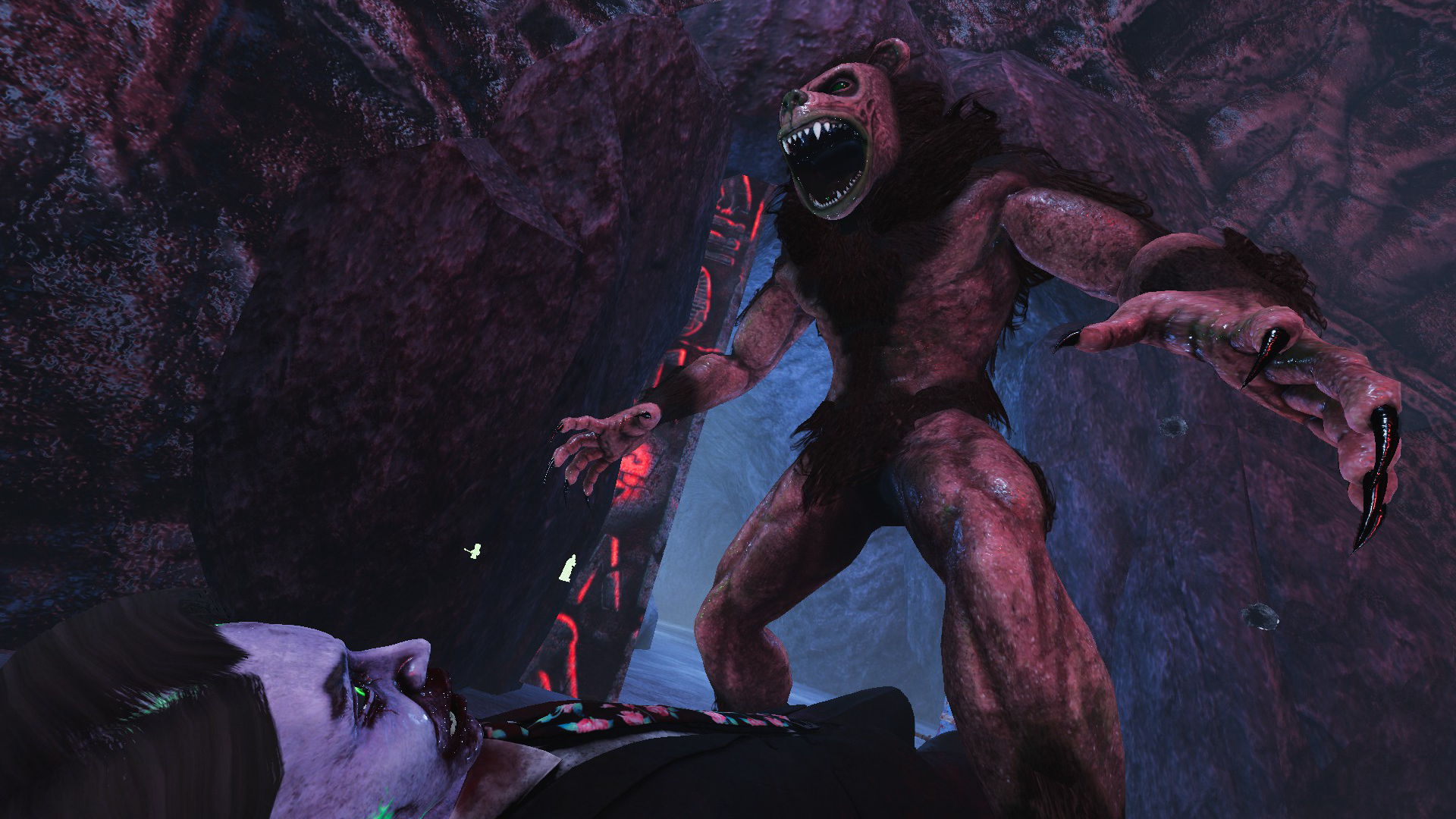
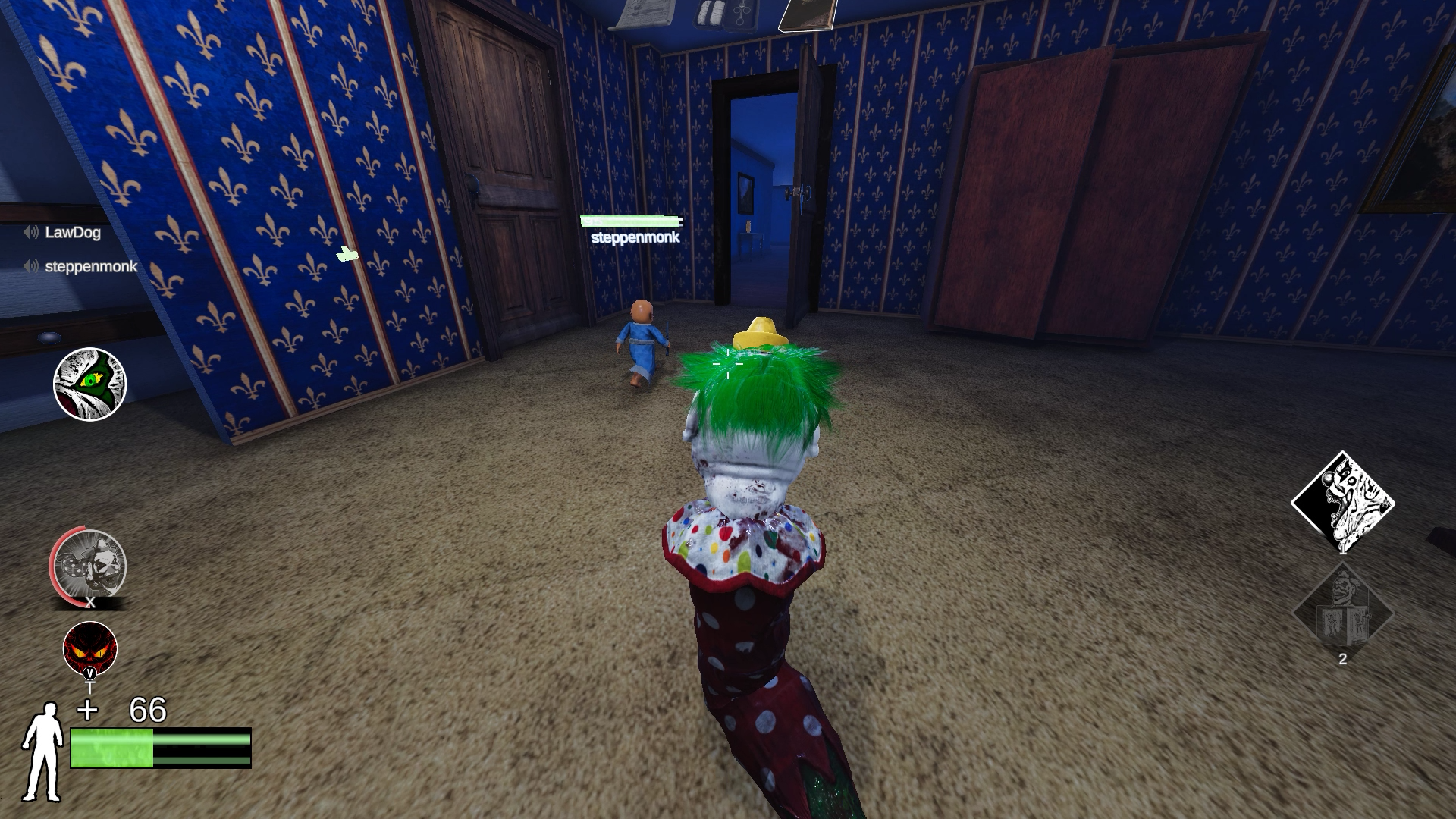
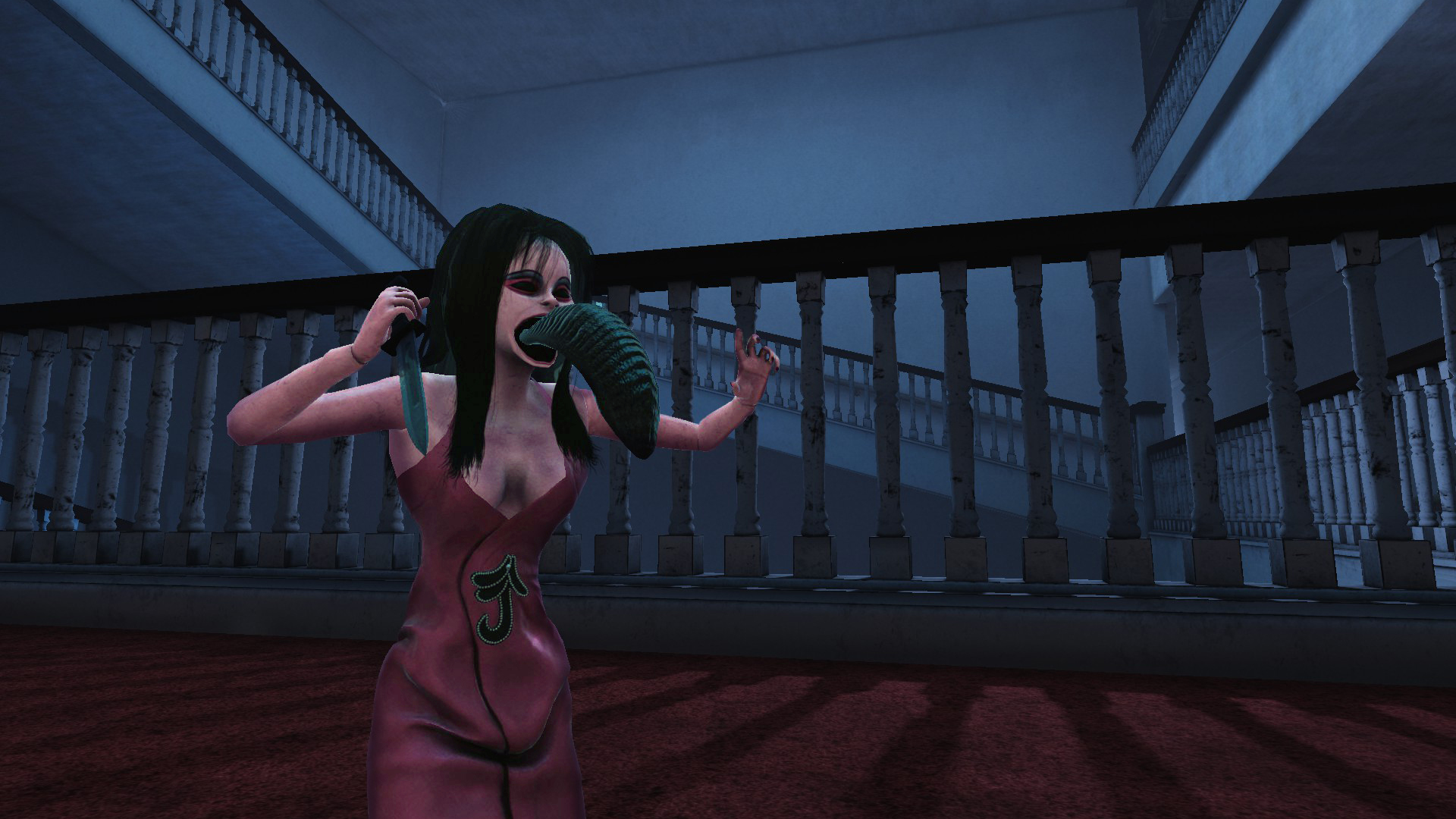
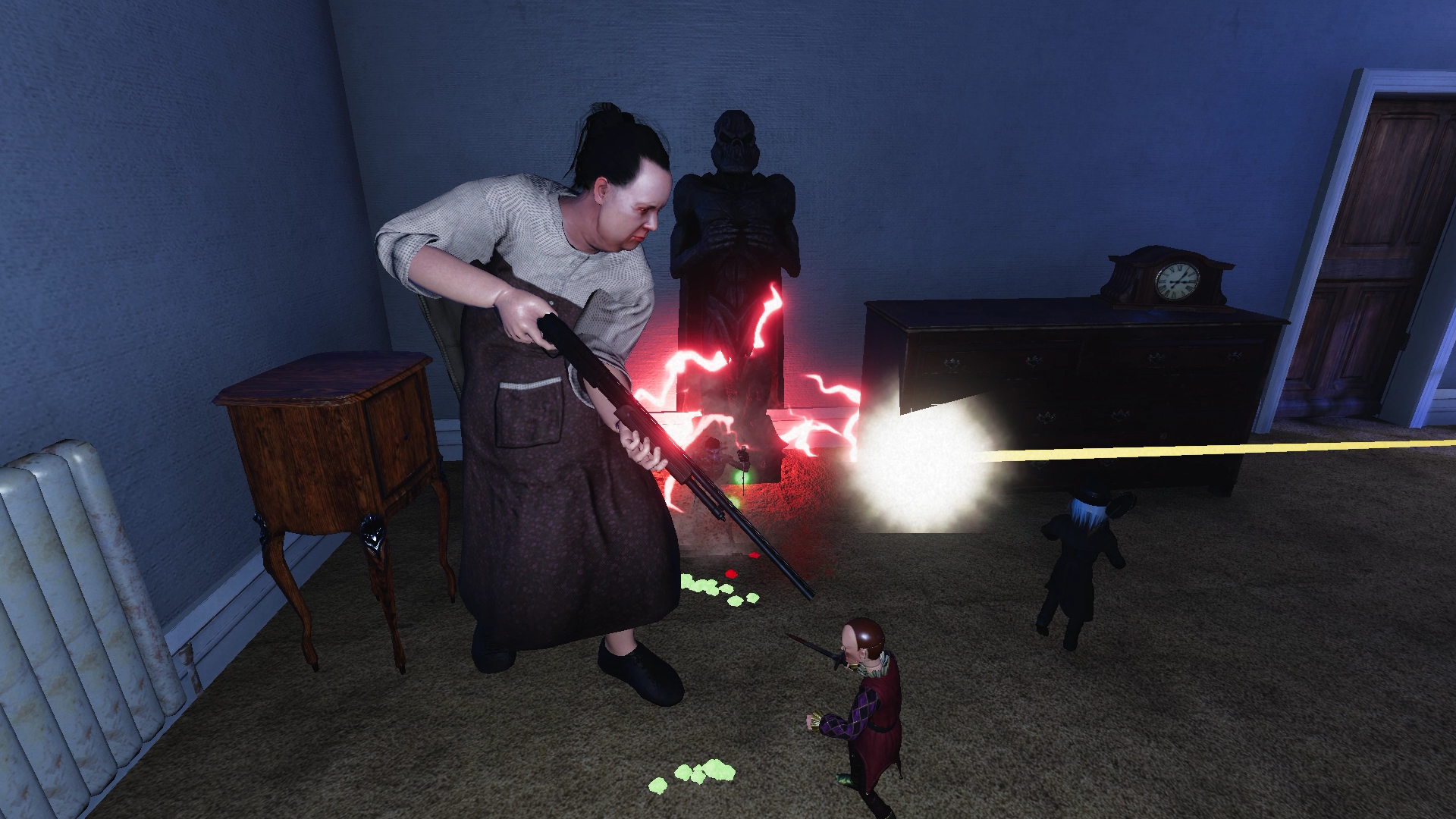
I served as Project Manager and Lead Game Designer, while also leading 3D asset production and contributing animation and 2D illustration throughout development. The game was built by a small core team of three developers, supported by two 3D art interns. The project was announced on September 27, 2021, launched into Steam Early Access on March 1, 2023, and officially exited Early Access in May 2024 after multiple major content, balance, and systems updates.
Puppet Master: The Game was developed by a very small team under extreme budget constraints, which required disciplined scope management and careful prioritization throughout production. Design decisions focused on high-impact gameplay systems, readability, and replayability, with features intentionally built to be modular and scalable. This approach allowed the game to grow steadily during Early Access through new characters, maps, and modes without requiring rework of core mechanics, while ensuring the project remained sustainable and maintained competitive integrity.
Design Responsibilities
Game mechanic and systems design for asymmetric PvP gameplay
Level design and traversal planning across six multiplayer maps
UI/UX design focused on usability, readability, and player onboarding
Player testing, balance iteration, and gameplay analysis
Live-service iteration during Early Access
Cross-discipline collaboration across design, engineering, and art
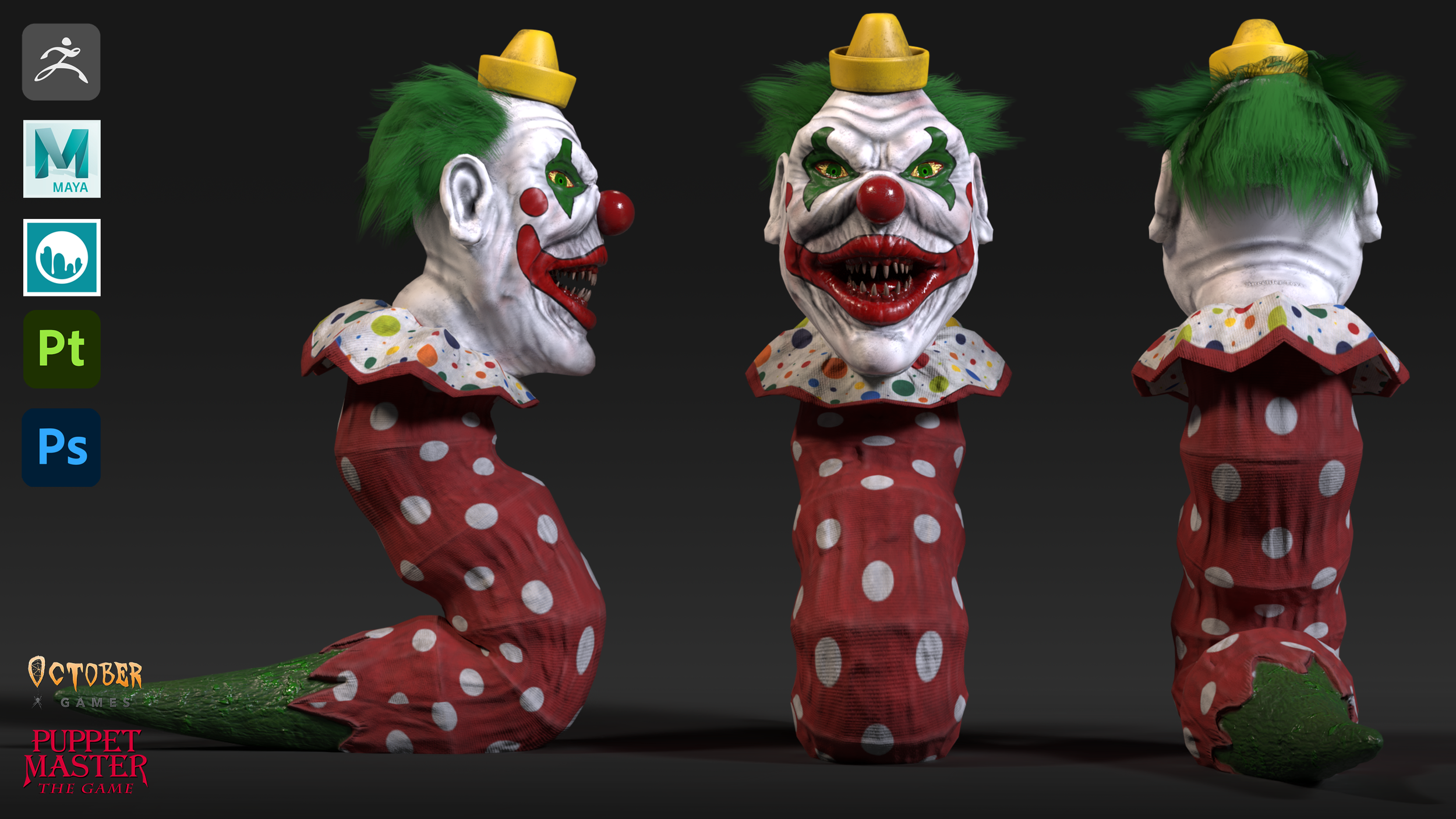
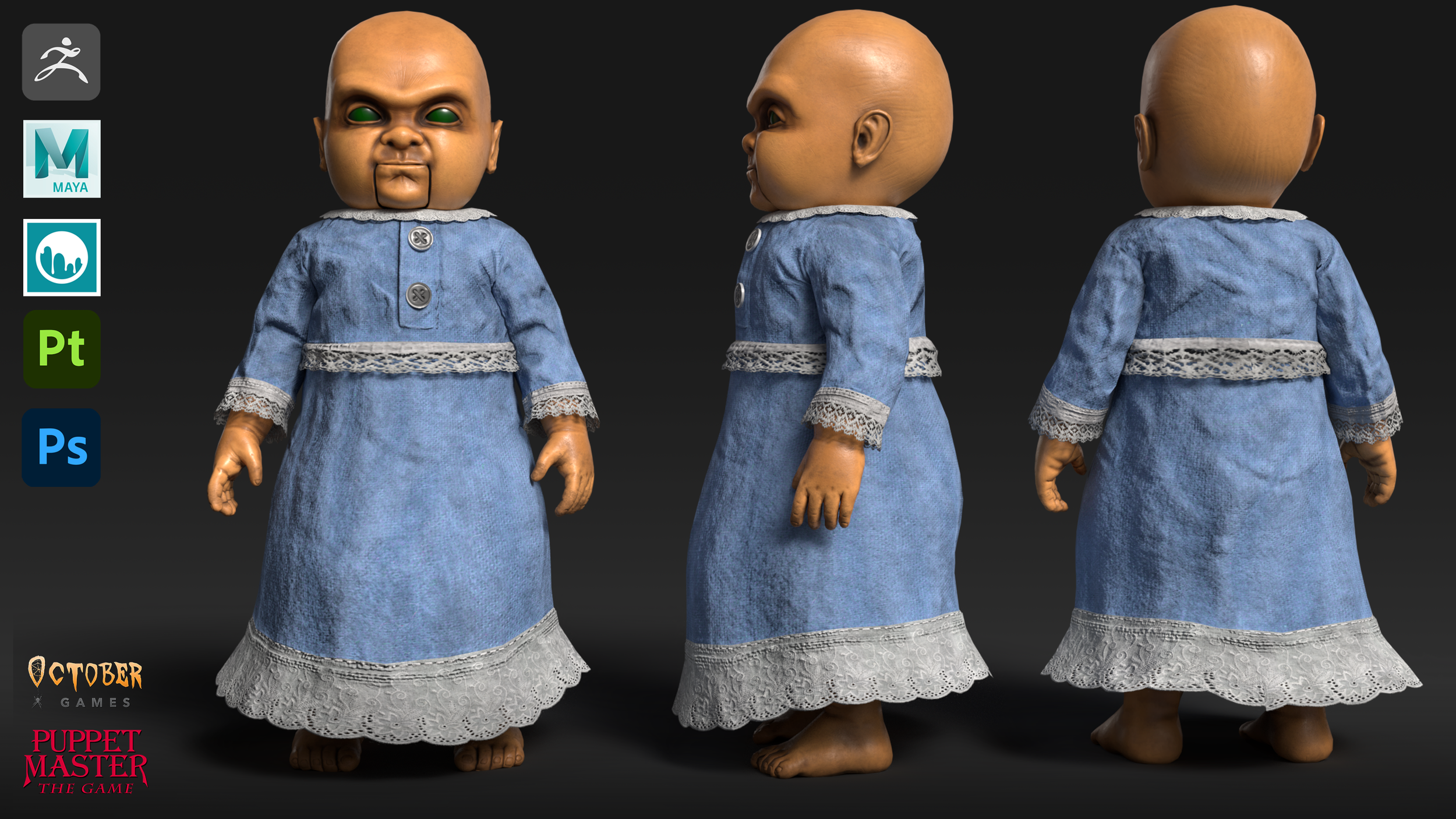
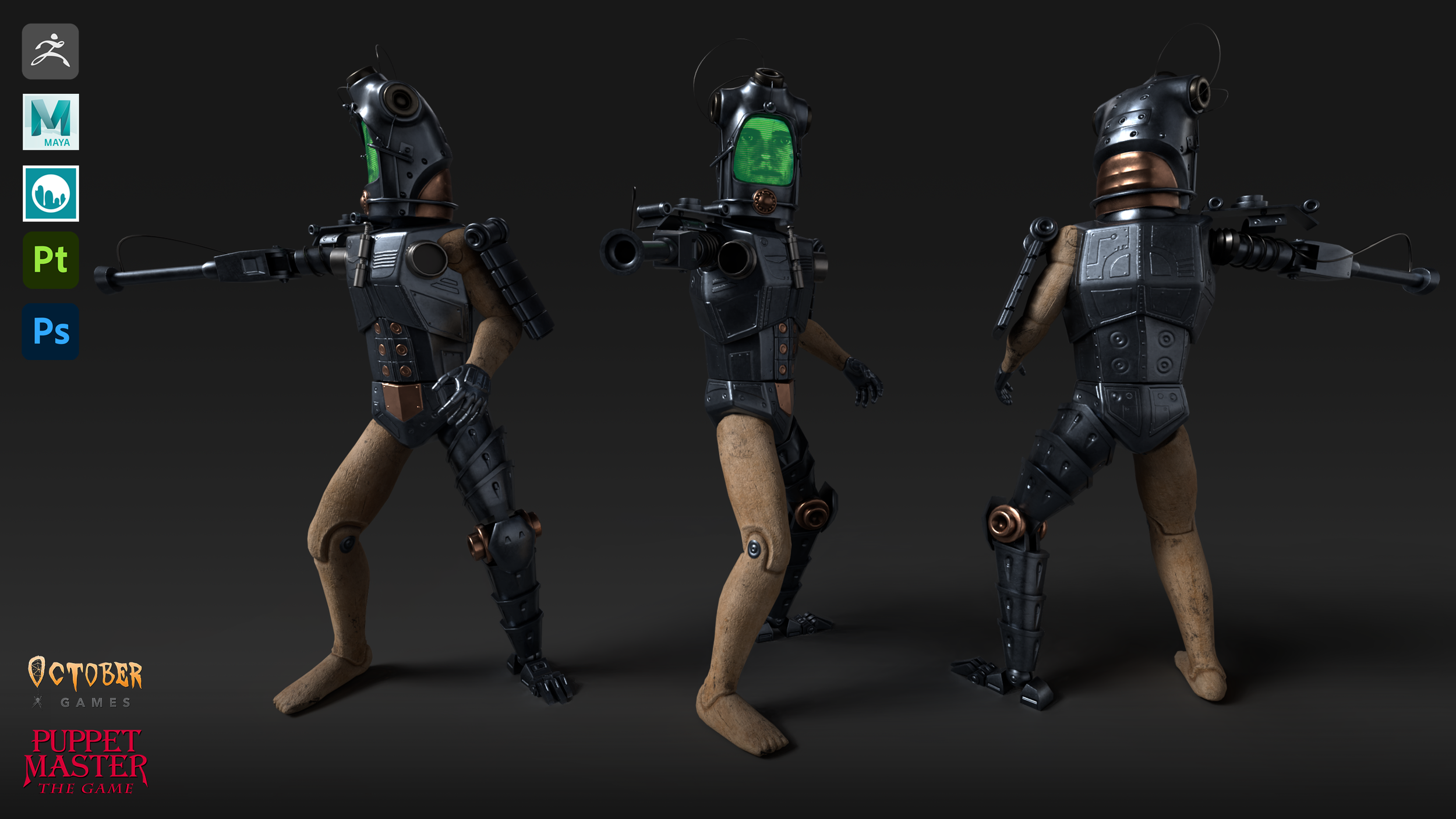
Game Mechanics & Systems Design
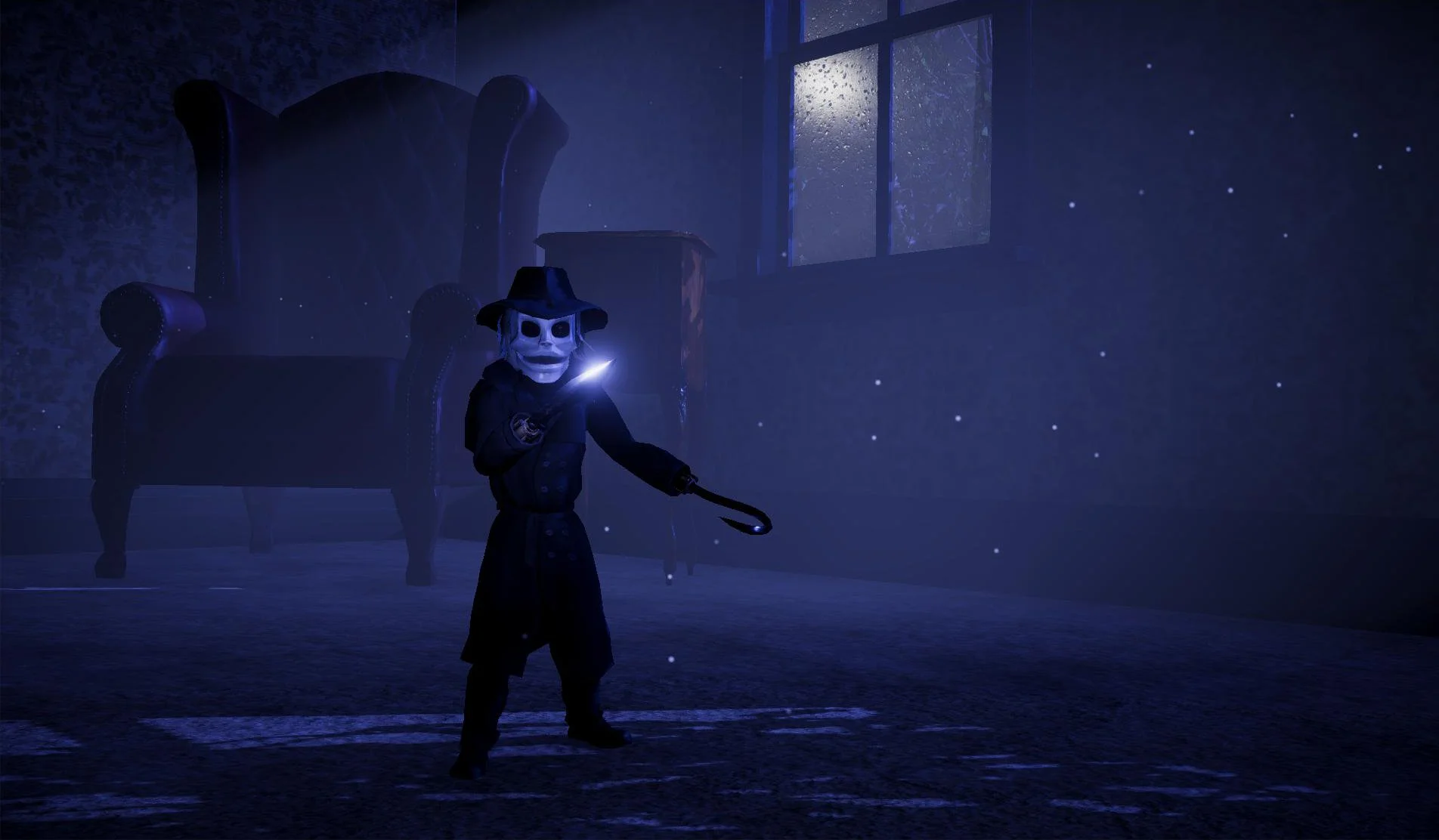
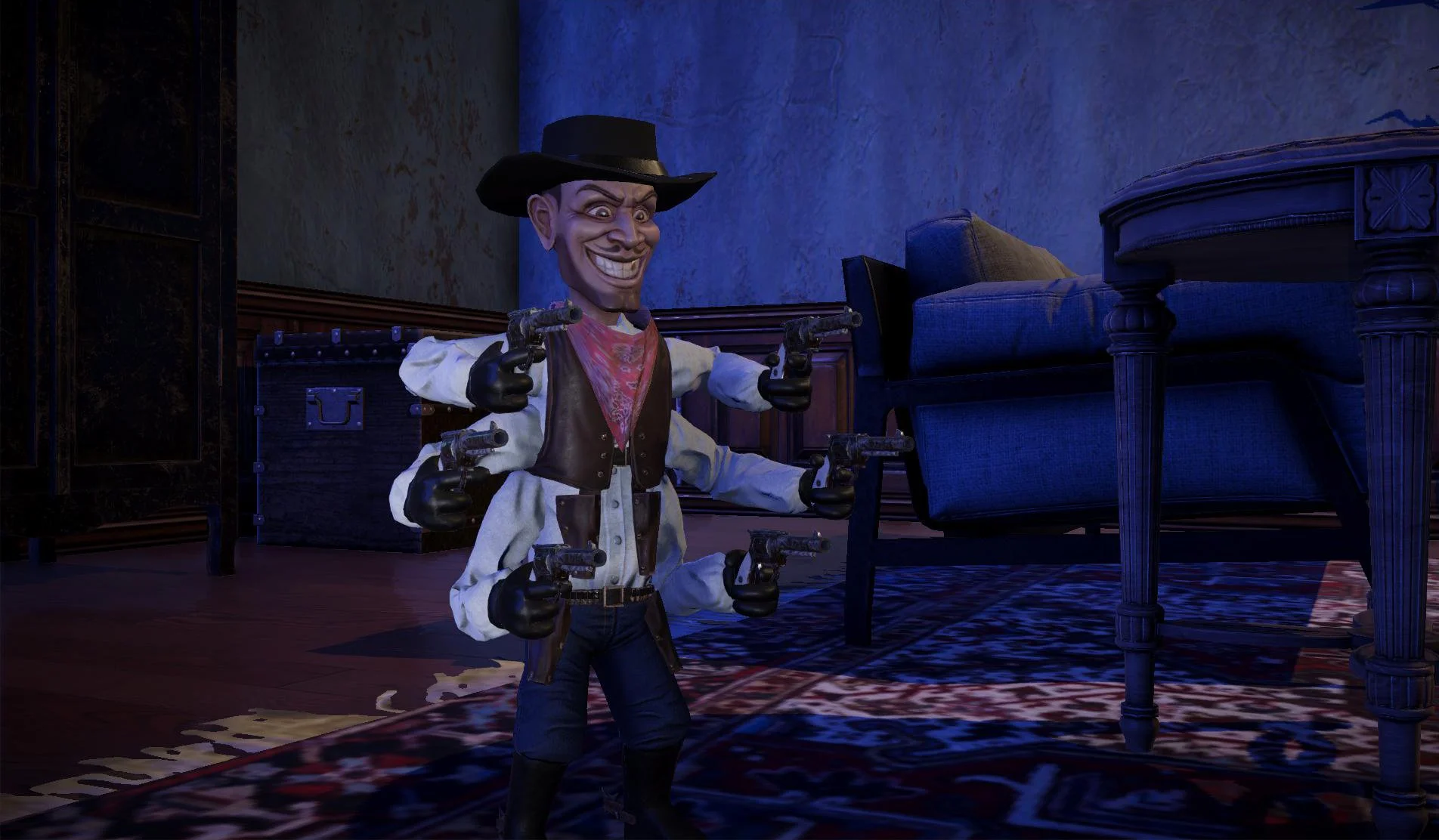
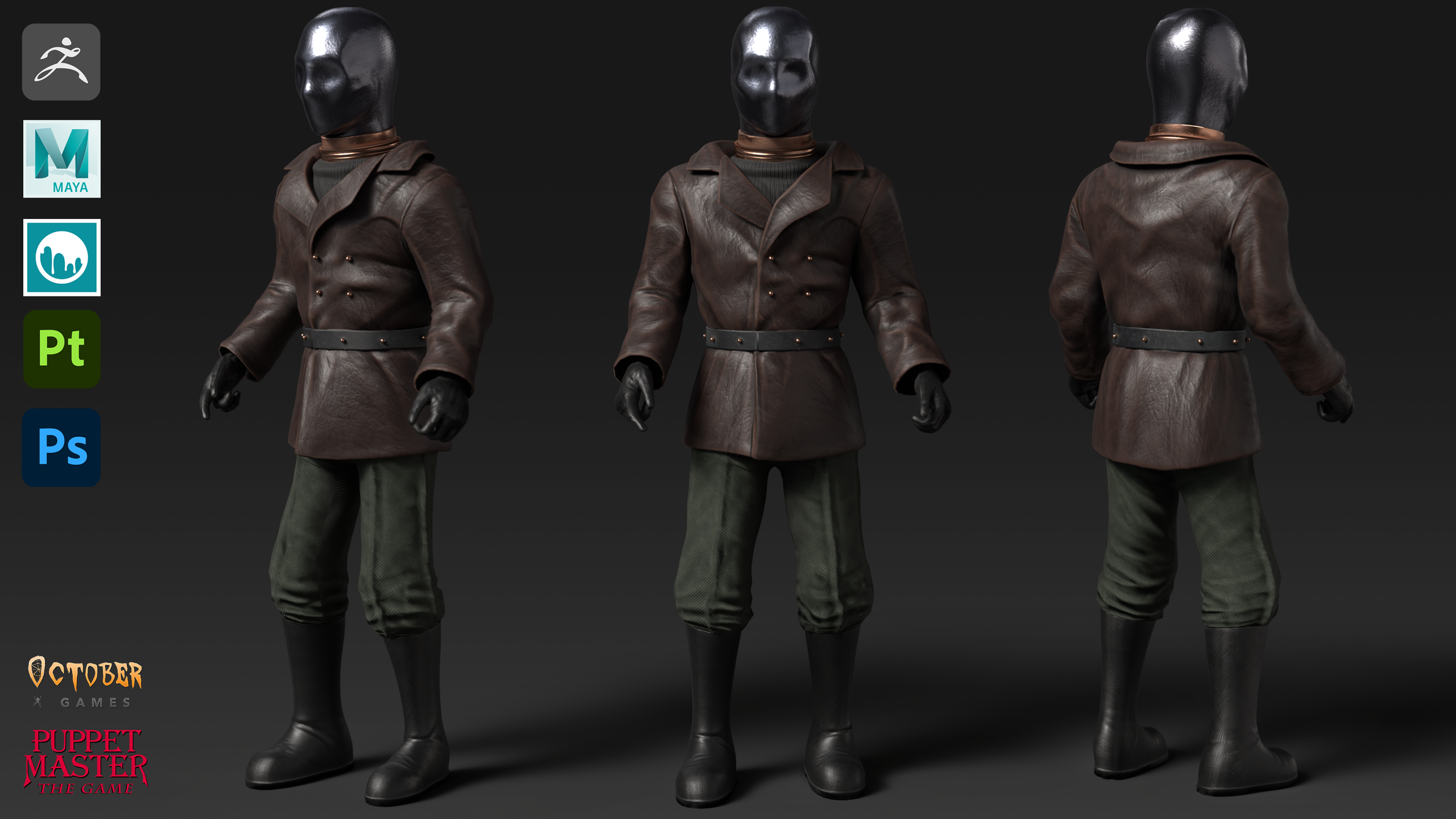
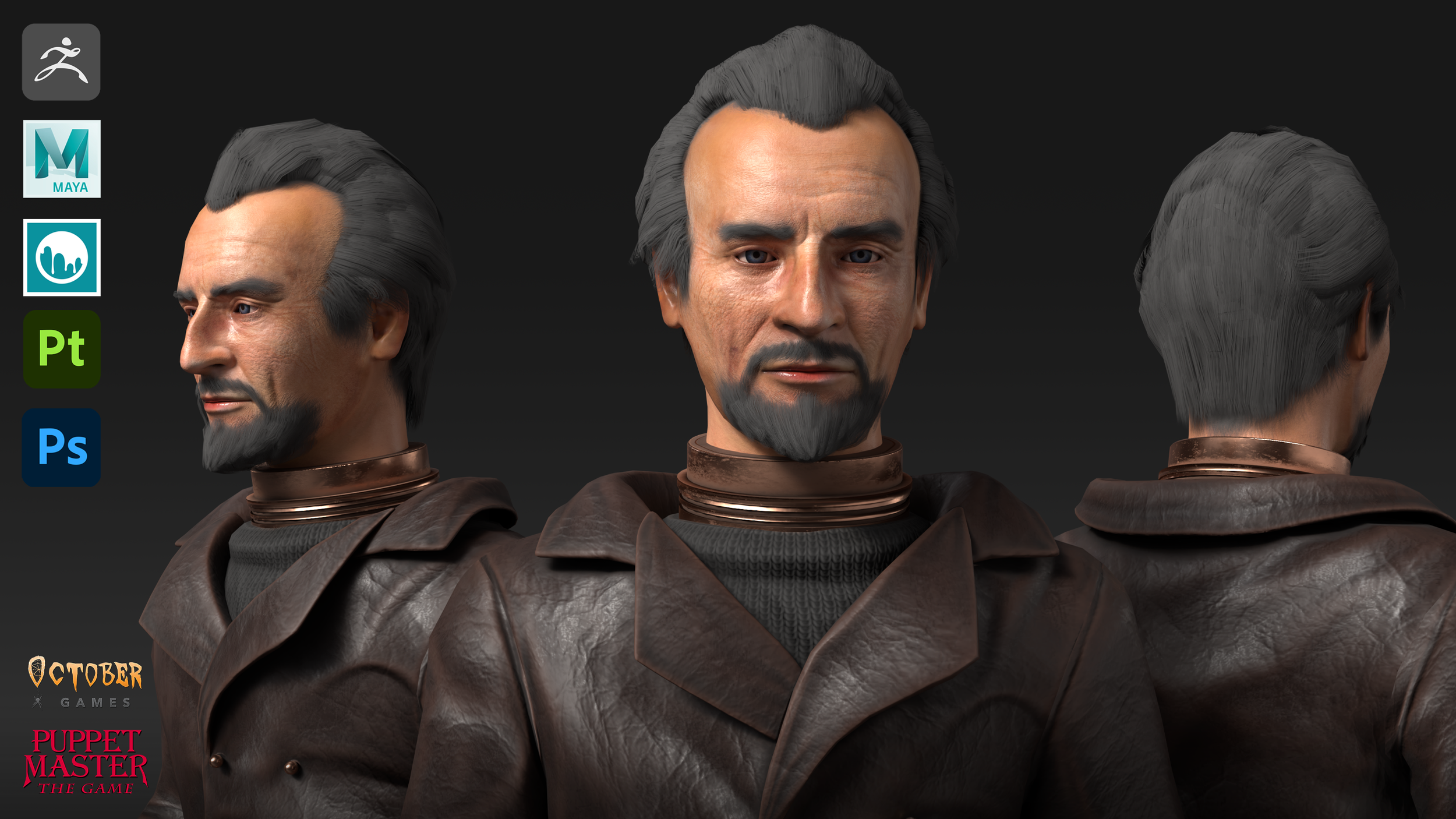
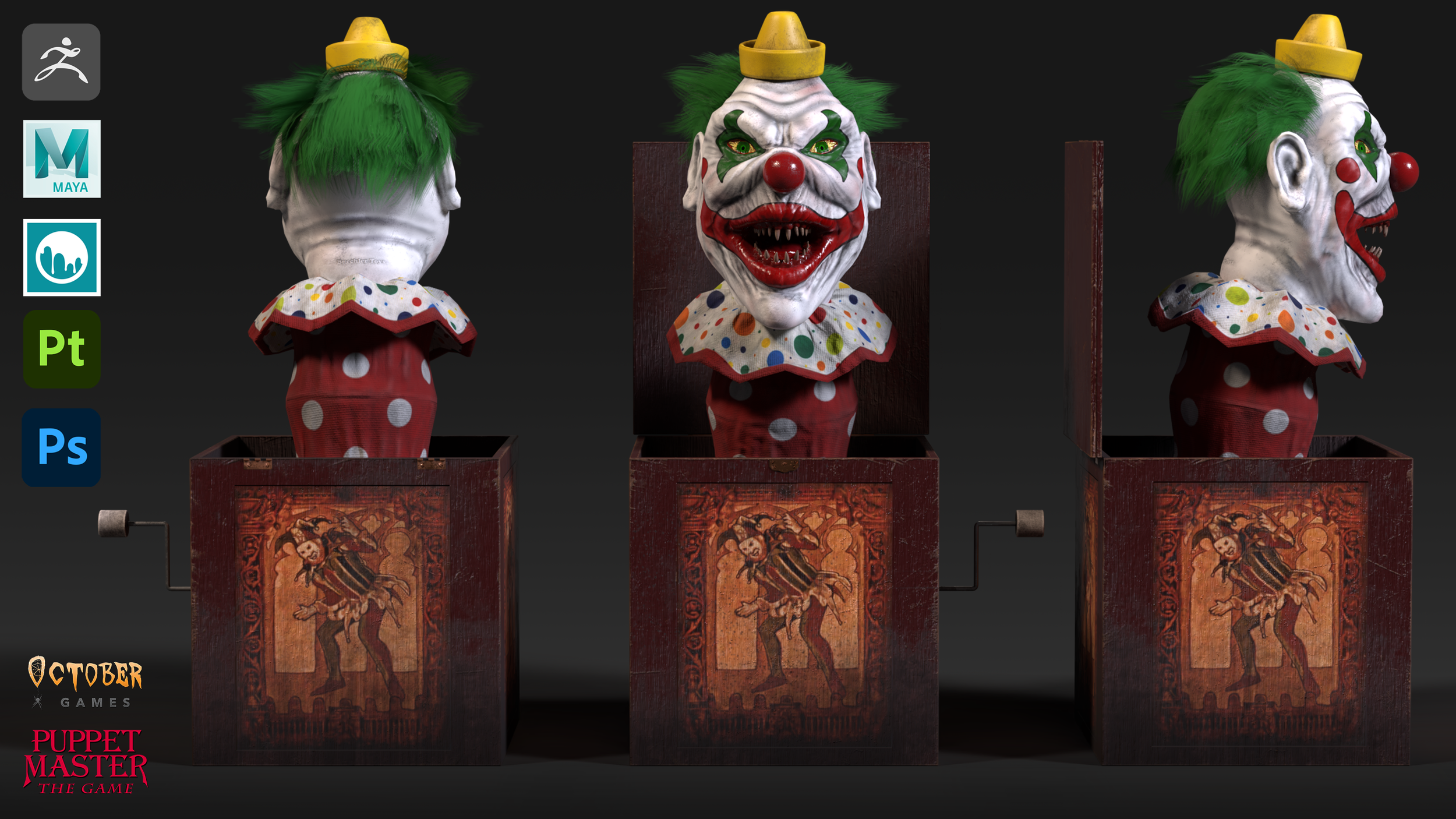
The game centers on asymmetric PvP gameplay, featuring 25 playable characters divided across four distinct factions. Most characters are small, agile puppets pitted against larger, more powerful human opponents. This extreme size and power disparity created ongoing balance challenges that I led throughout development.
Each character was designed with clear strengths, weaknesses, and counterplay, ensuring they remained faithful to their film counterparts while feeling fair, readable, and fun in a competitive multiplayer environment. Balancing authenticity, fairness, and accessibility was an ongoing iteration process informed by live player feedback during Early Access.
Progression was designed to keep players engaged without hurting competitive balance. The game uses cosmetic-only monetization with free and premium character skins.
Perks were built to expand how characters play rather than straight-up making them stronger. The focus was on player expression and experimentation, not pay-to-win systems.
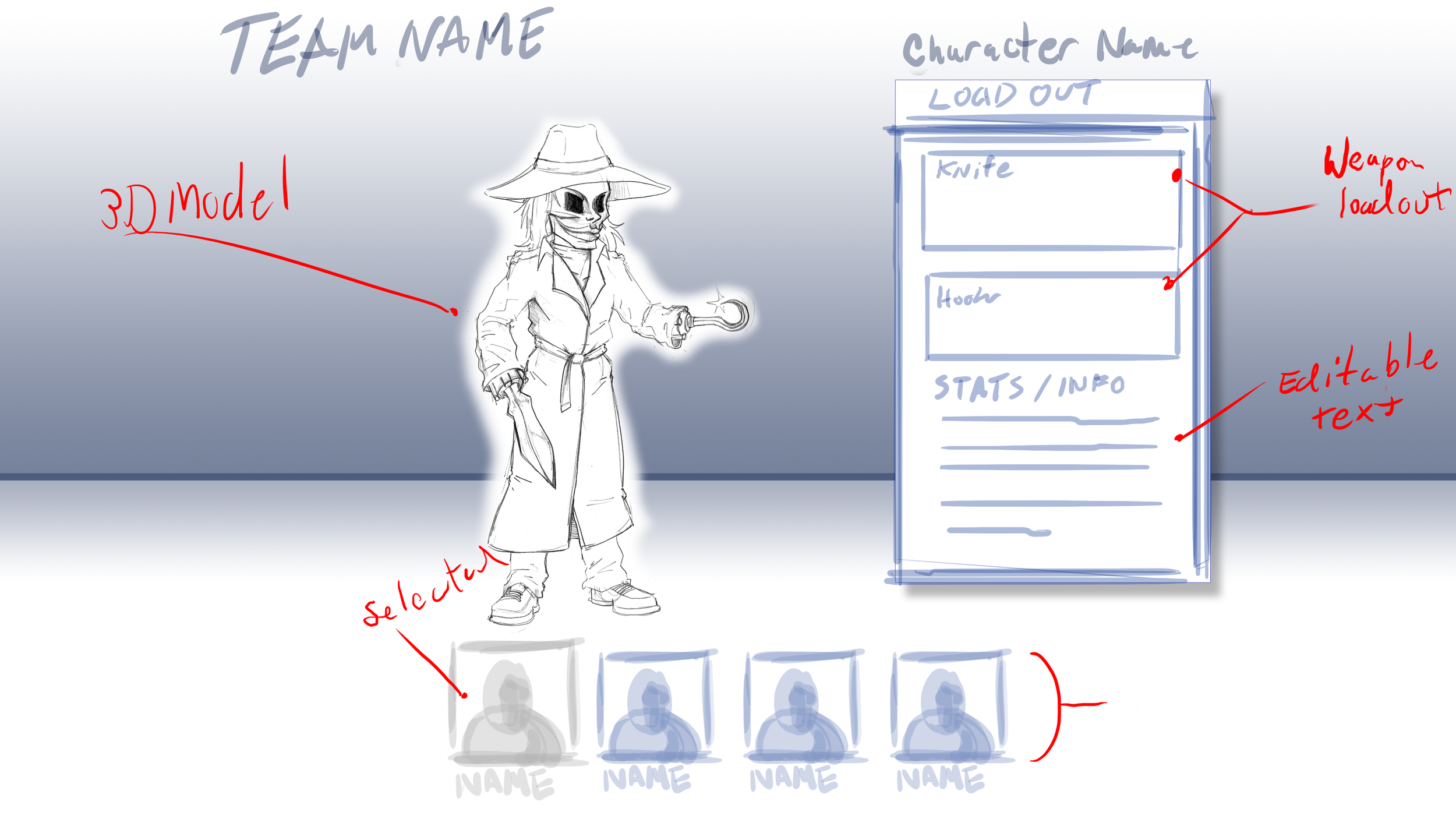
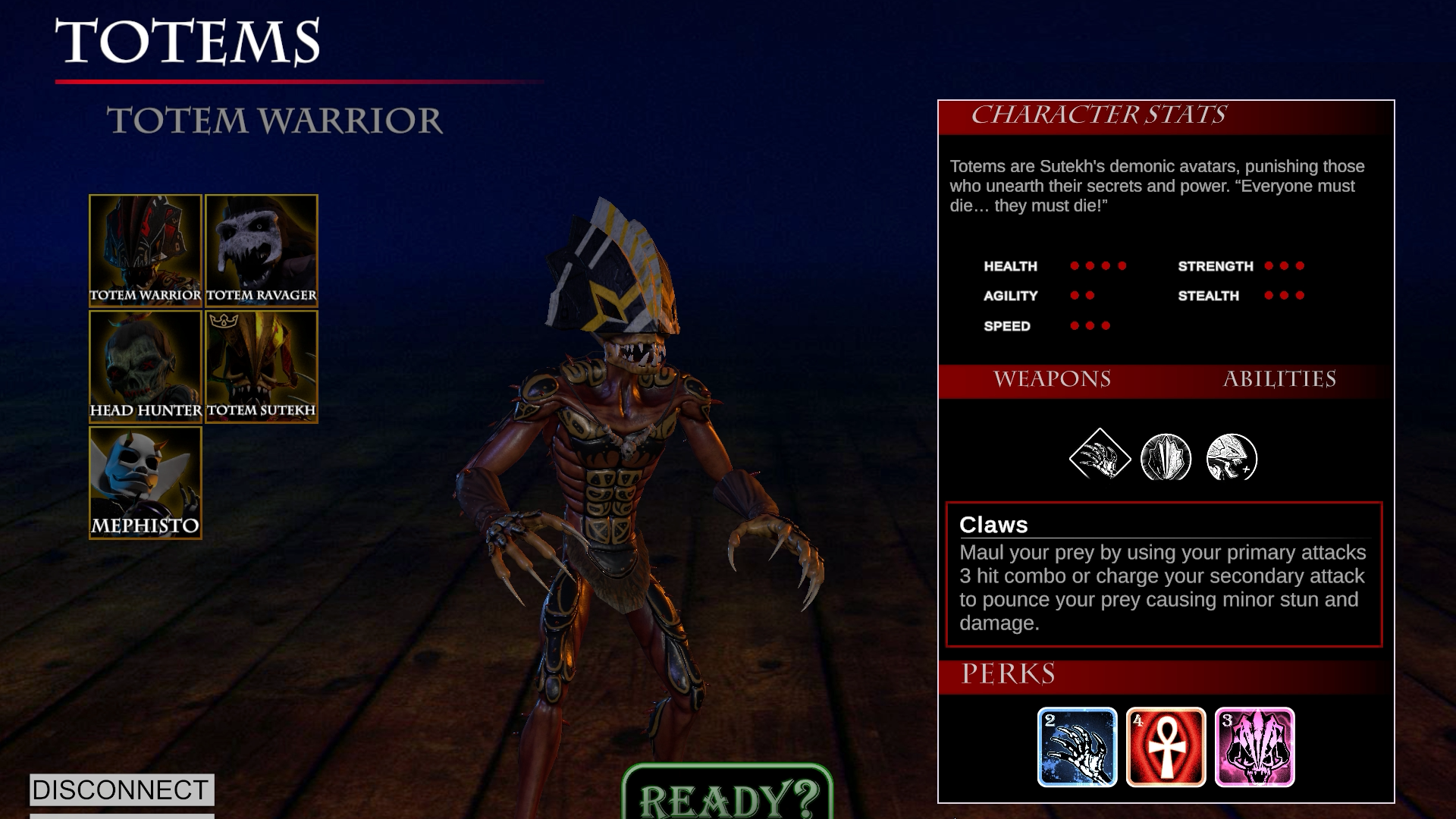
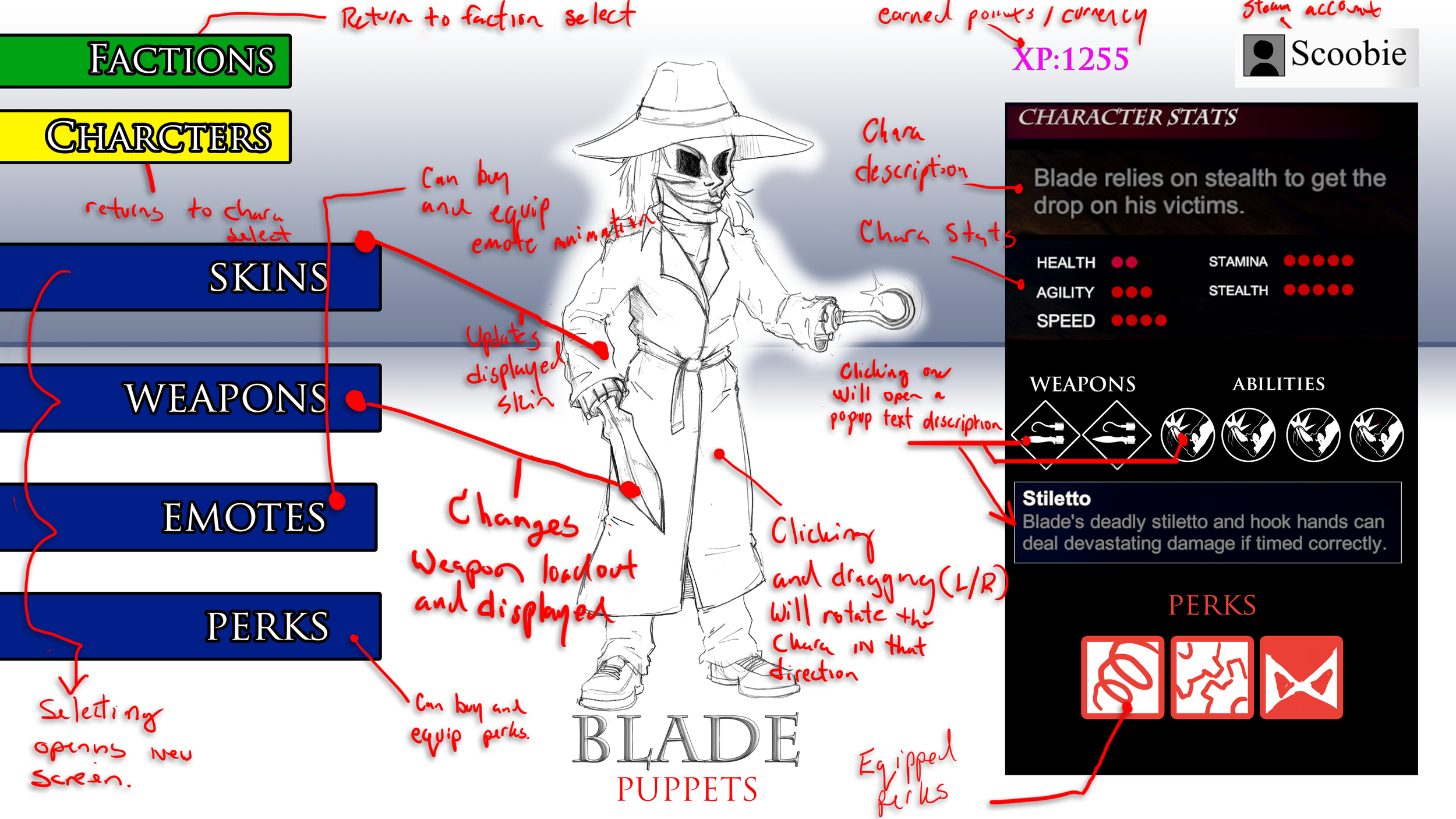
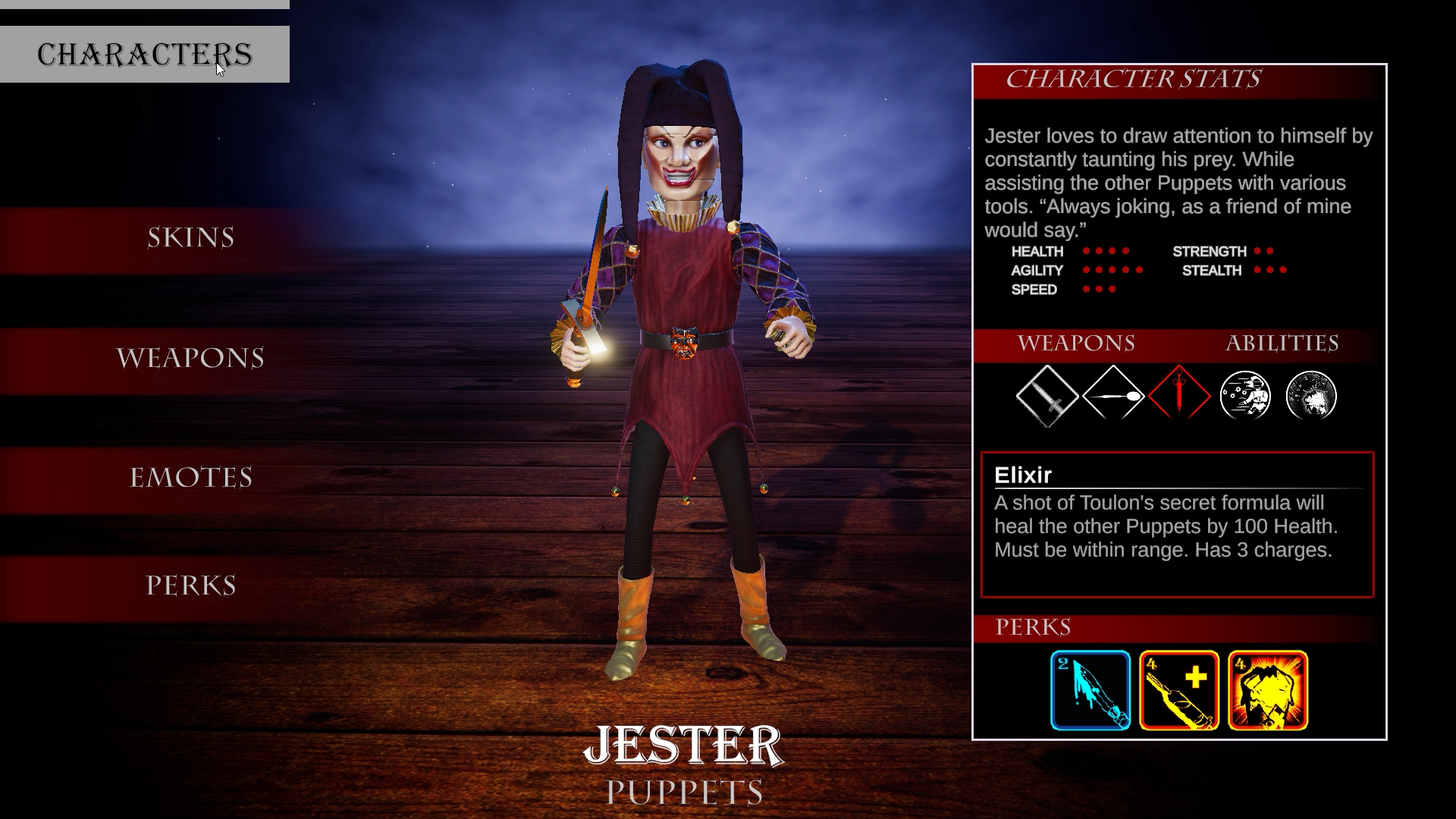
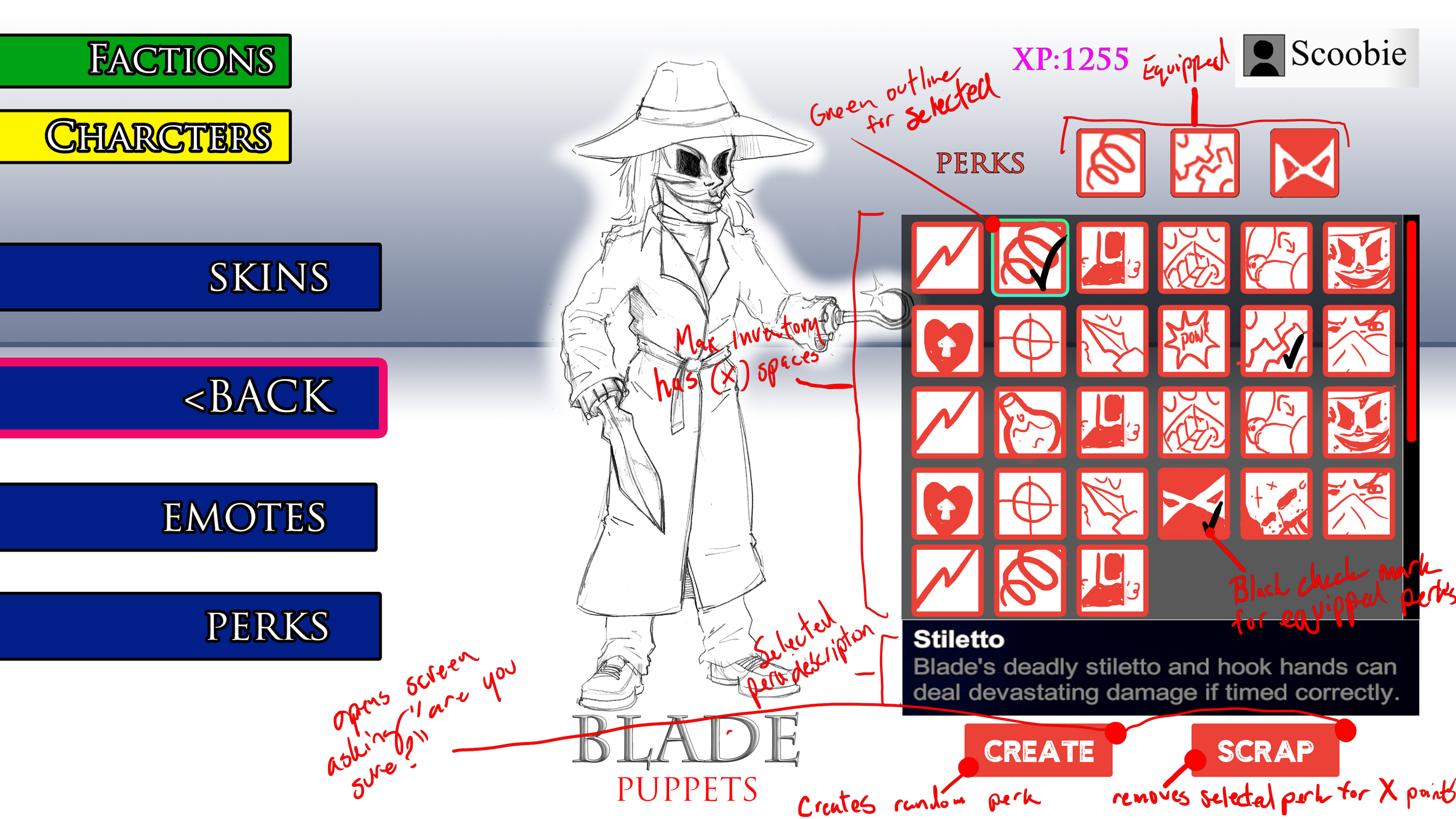
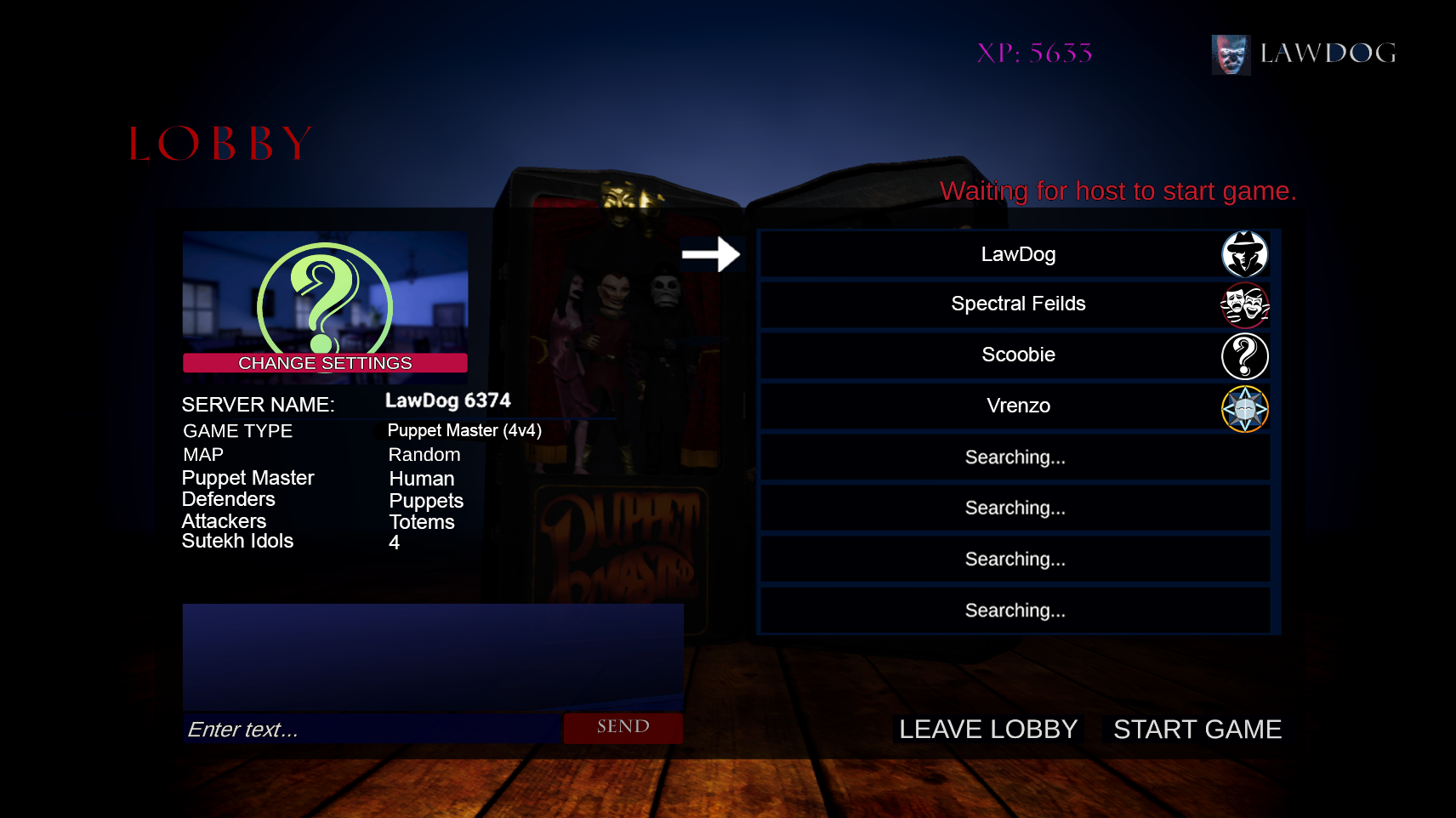
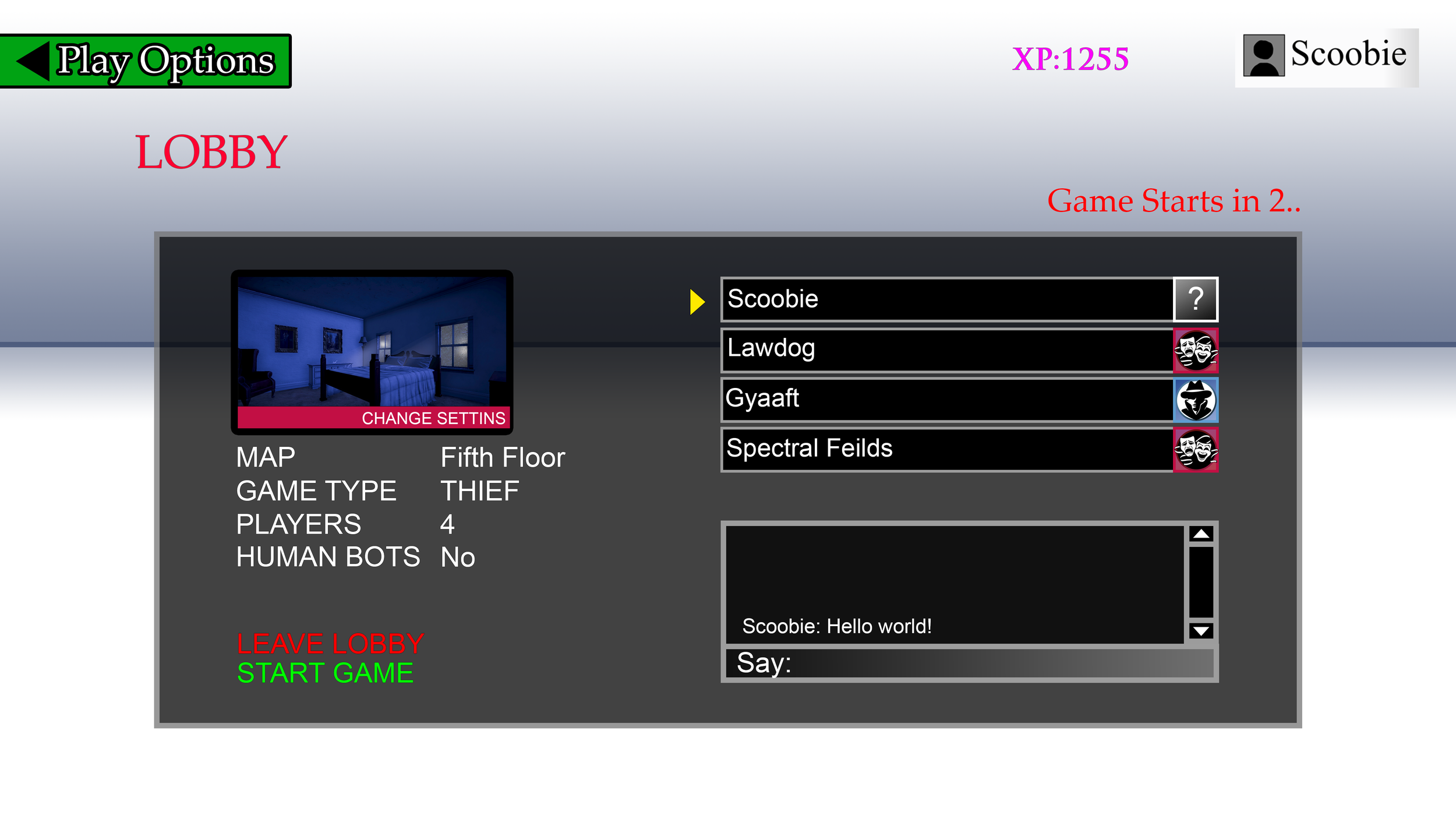
UI / UX Design & Human-Computer Interaction
UI and UX decisions were driven by Human-Computer Interaction (HCI) principles, with a strong emphasis on clarity, feedback, and player perception during high-pressure encounters.
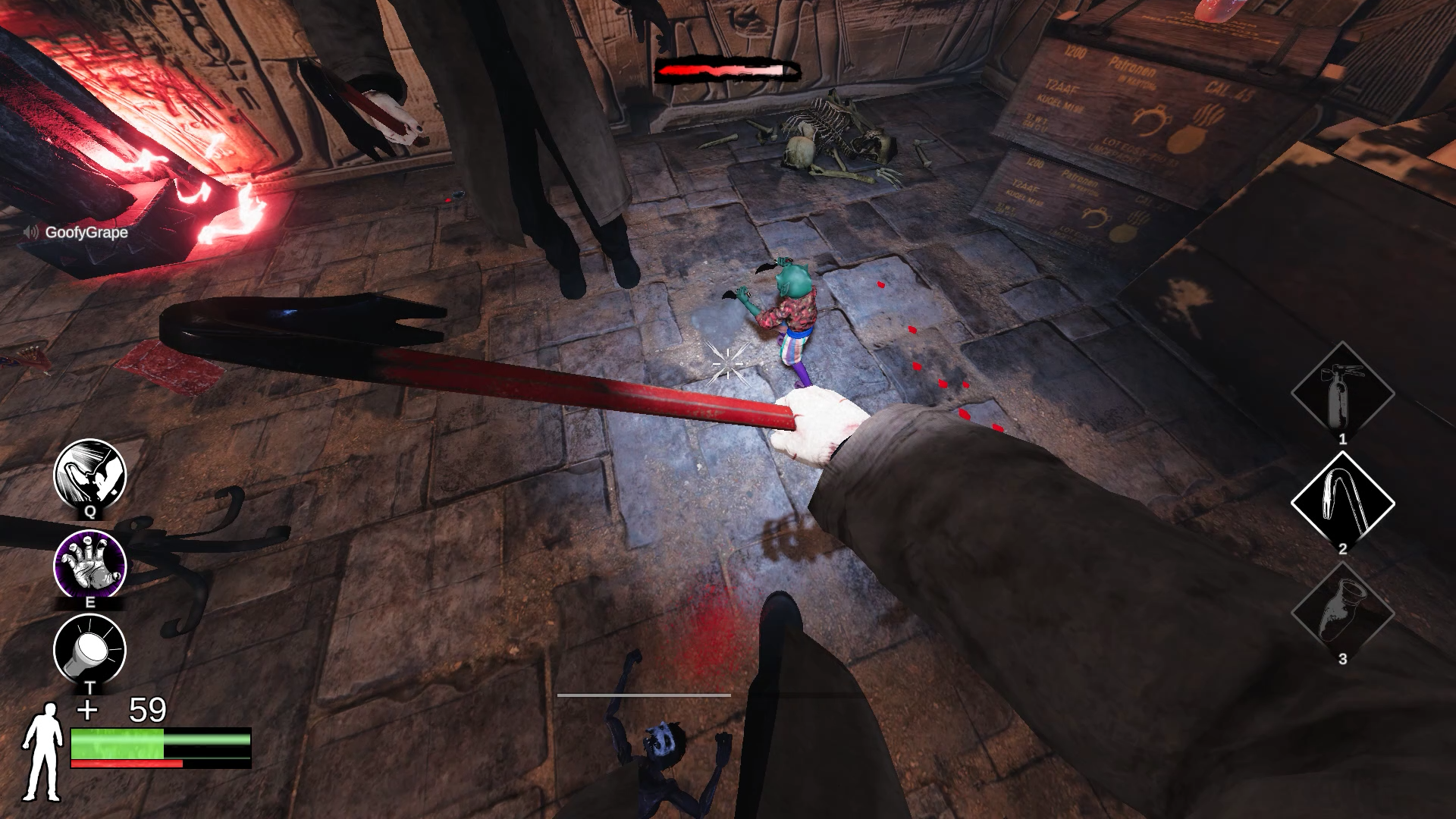
A key UX decision was locking human characters to a first-person camera with full body awareness. Due to the extreme size difference between humans and puppets, third-person cameras frequently obscured puppet characters at close range. The first-person perspective ensured puppets were always visible, reinforced the horror fantasy of being attacked from below, and significantly improved combat readability and tension.
HUD elements, ability indicators, and objective prompts were iterated on through playtesting to ensure players could quickly understand threats, cooldowns, and goals without overwhelming the screen.
GAme Modes & objective design
The flagship mode, Thief, is a 3 versus 1 experience where three puppets hunt a single human, steal the Puppet Master’s artifacts, and escape. This setup pulls directly from recurring story elements in the films and works naturally as an asymmetrical multiplayer objective.
Humans were balanced to be roughly as strong as two puppets, which means puppets only gain the upper hand when all three work together. Which is the reason we limited the Puppet team to 3. This created tense, high-pressure encounters that reward coordination and good positioning.
Other modes reused the same core systems with different objectives, allowing variety without blowing up scope.
Testing, Debugging & Iteration
Throughout Early Access, I led ongoing testing and iteration efforts, including regular internal and public playtests. Player feedback, gameplay recordings, and community reports were analyzed to identify balance issues, usability pain points, and unclear mechanics.
Based on these findings, character abilities, perks, map layouts, UI elements, and core systems were iterated on to improve fairness, clarity, and overall player experience. I worked closely with engineering to debug gameplay and systems issues, ensuring design intent was preserved while resolving technical constraints.
Development priorities frequently shifted based on live player behavior, balance needs, and evolving content goals, requiring adaptability and clear communication across the team.
Reflection & Future Improvements
If revisiting the project, I would further refine early onboarding to reduce the learning curve for new players entering asymmetric PvP, particularly around counterplay options for first-time human players. Earlier exposure to these mechanics would improve clarity, retention, and overall player confidence.