
InContext Solutions
3D Artist
At InContext Solutions, I worked on real-time 3D retail simulations used to test store layouts and shopper behavior before physical implementation. While not traditional games, these experiences relied heavily on game design principles, player psychology, and intuitive interaction.
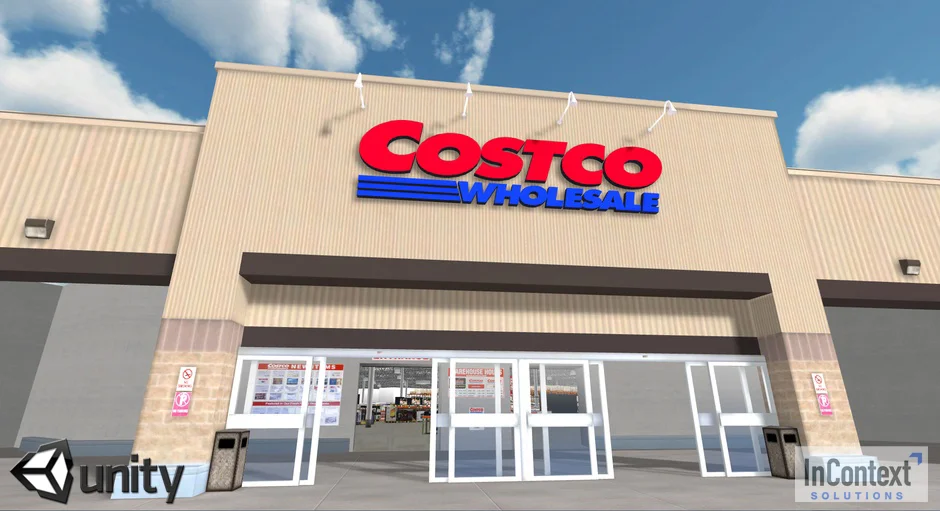
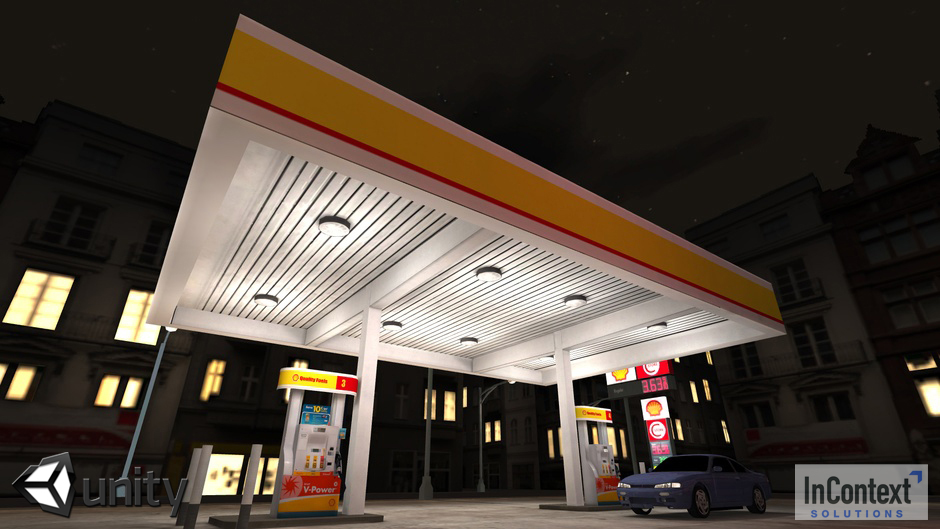
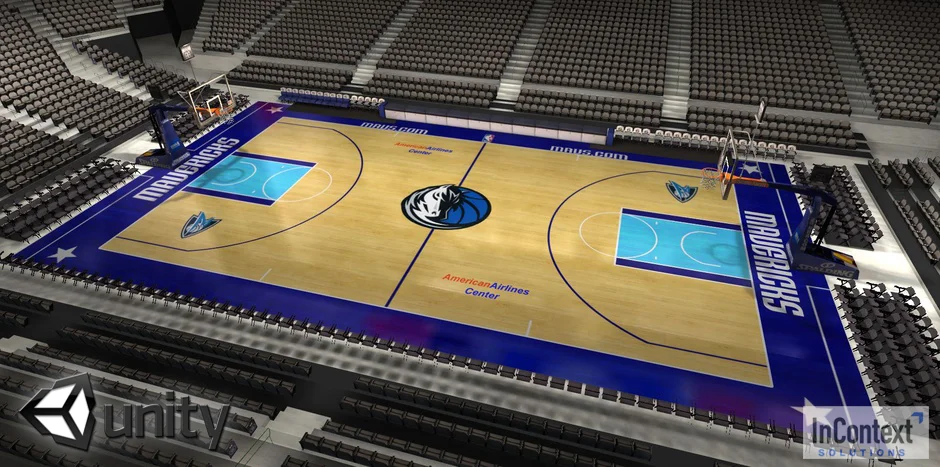
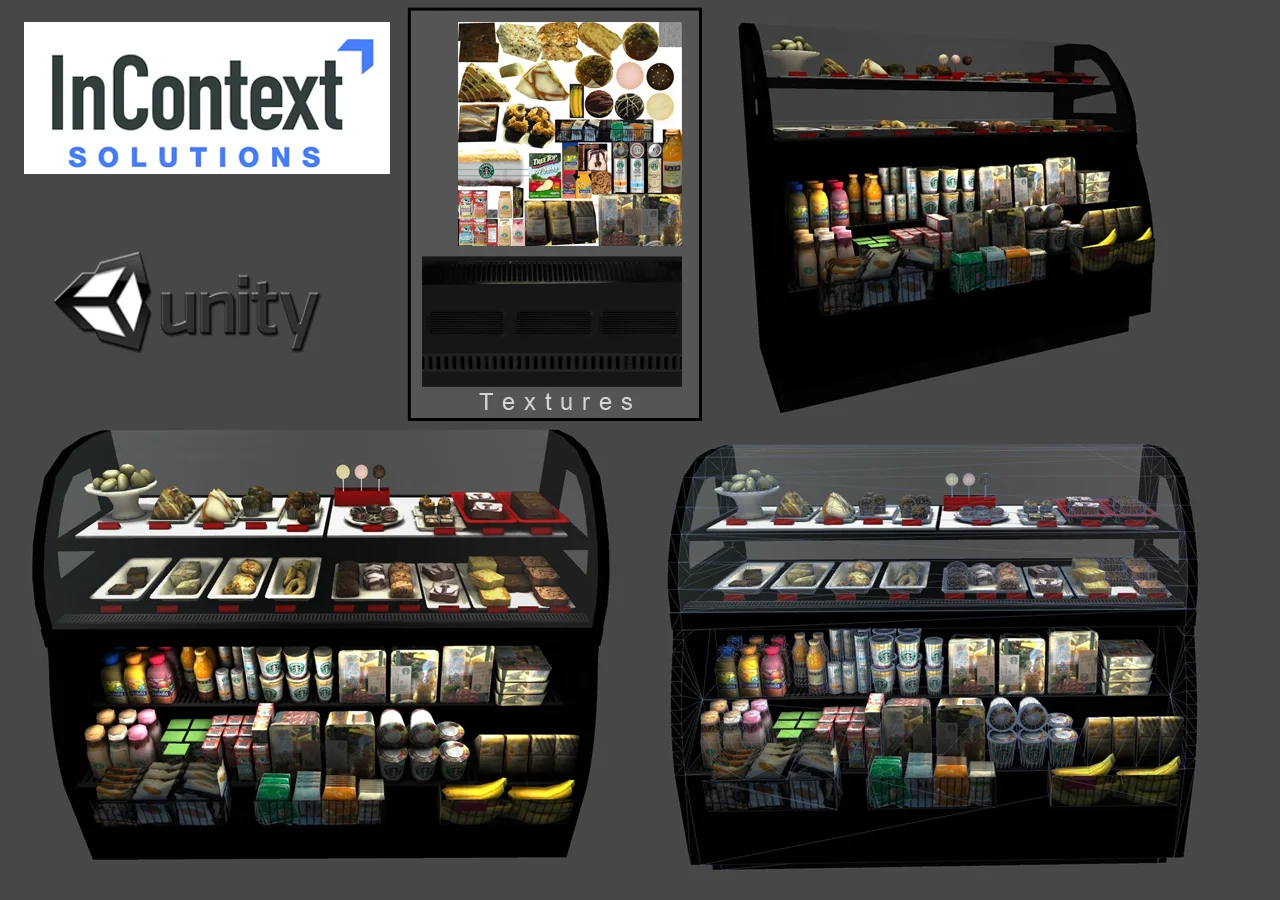
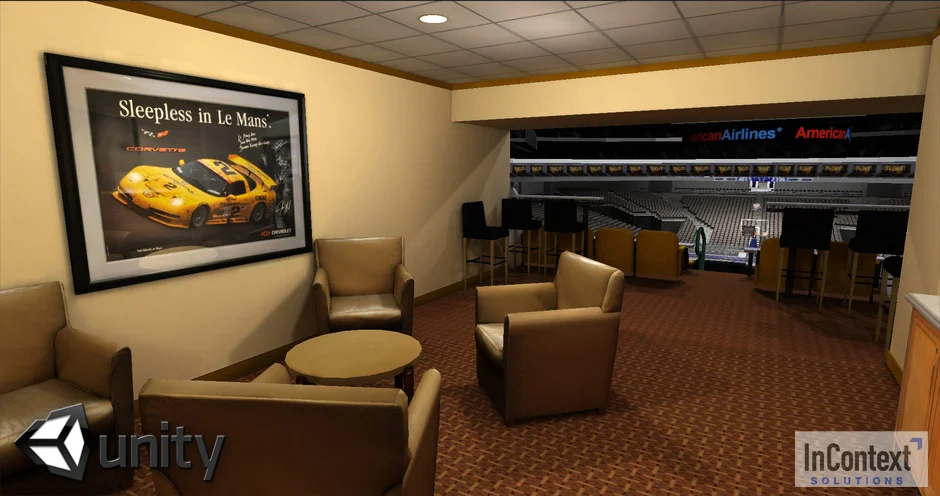
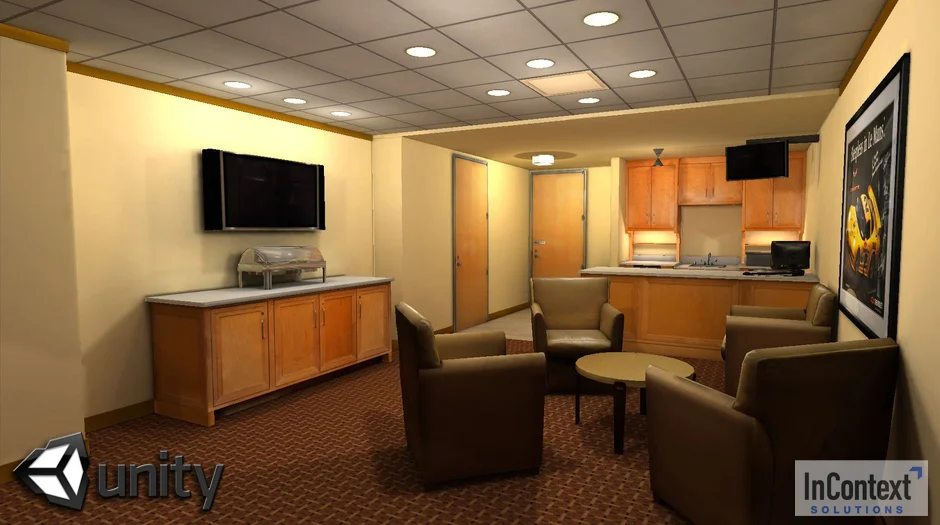
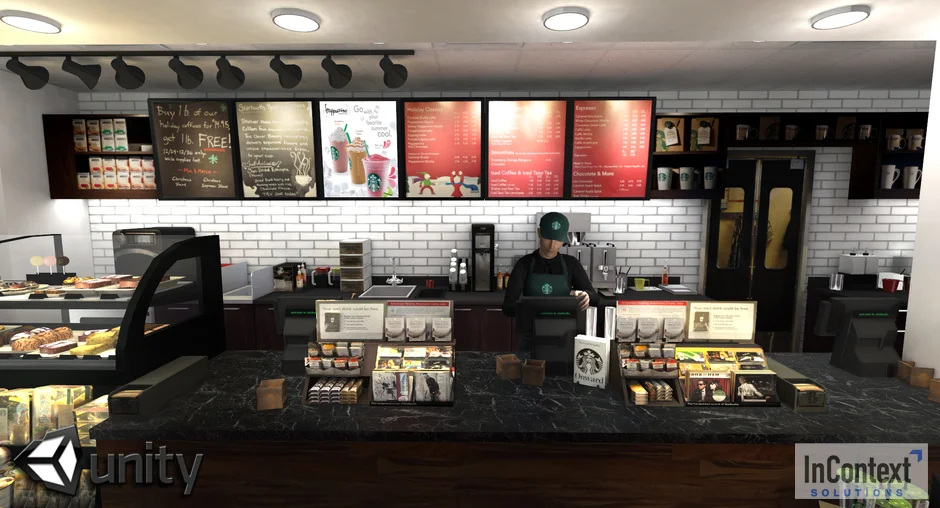

I helped design and build explorable 3D environments that let users move through spaces, evaluate layouts, and make decisions without needing much guidance. A big part of my focus was readability and ease of use, making sure environments felt clear, intuitive, and comfortable for users who were not technical or game-savvy. I regularly applied Human-Computer Interaction (HCI) principles to reduce friction and keep interactions feeling natural.
I also worked within modular asset systems and tight performance constraints, which allowed projects to scale and iterate quickly across different clients and scenarios. This experience strongly shaped how I think about interaction design and player experience in games today.
Key Takeaways
Strong interaction design matters, even outside of traditional games
Clear visual language and spatial layout reduce user confusion
Small details like movement, camera feel, and scale have a big impact on usability
Modular, reusable systems make projects more sustainable and flexible